 Football Physiotherapy
Understanding Osgood-Schlatter Disease: A Guide for Young Athletes
What is Osgood-Schlatter Disease?
Osgood-Schlatter disease is a common and temporary cause of knee pain in growing children and teenagers. It often occurs during growth spurts 📈. This condition is most prevalent among active kids who play sports that involve jumping or sudden changes of direction, like football, basketball, and tennis ⚽🏀.
Why Does It Happen?
During adolescence, the area where muscle tendons attach to the knee is still developing. This area isn’t as strong as it is in adults. Sports that involve running and jumping place repeated stress on the knee 🏃♂️. This stress irritates the area just below the kneecap, leading to pain and discomfort.
Signs Parents May Notice
As a parent, you might notice several signs that indicate your child could be experiencing Osgood-Schlatter disease:
Knee pain during or after sports and physical activity.
Swelling or tenderness just below the kneecap.
A small, hard bump on the front of the knee.
Limping or avoiding activities your child usually enjoys.
Is It Serious?
The good news is that Osgood-Schlatter disease is not dangerous. It doesn’t cause long-term knee damage. Pain may last for weeks or even months, but it usually resolves as your child’s growth slows down.
How It’s Treated
Treatment focuses on reducing pain and inflammation. Here are some common approaches:
Modify Activities: Reducing or changing activities that trigger pain can be very helpful.
Ice Application: Applying ice after activity helps reduce swelling ❄️.
Stretching: Stretching tight leg muscles can alleviate discomfort.
Physiotherapy: A physiotherapist can help strengthen the muscles around the knee.
Pain Relief: Over-the-counter pain relief medication should only be used if advised by a healthcare professional.
How Parents Can Help
As a parent, you play a crucial role in your child’s recovery. Here are some ways you can support them:
Encourage Rest: Make sure your child rests when pain increases.
Avoid Pushing: Don’t encourage your child to “play through” pain.
Support Warm-Ups: Help them with regular warm-ups and gentle stretching.
Communicate with Coaches: Keep coaches informed about your child’s activity limits and necessary modifications 🗣️.
When to See a Physiotherapist
It’s essential to seek professional help if:
The pain is severe, persistent, or worsening.
The pain affects daily activities, not just sports.
There’s swelling, redness, or pain without activity.
You want reassurance or a clear treatment plan.
What to Expect
Most children recover fully from Osgood-Schlatter disease. With proper care, they can often continue participating in sports with some adjustments. A small bump below the knee may remain, but it is harmless.
Conclusion
Understanding Osgood-Schlatter disease is vital for young athletes and their parents. If you notice any signs of knee pain in your child, don’t hesitate to take action. Early intervention can make a significant difference in their recovery.
If you’re looking for specialised help, consider reaching out to a physiotherapist. They can provide tailored treatment plans to help your child get back to their sport quickly and safely. Remember, you’re not alone in this journey. We’re here to support you every step of the way.
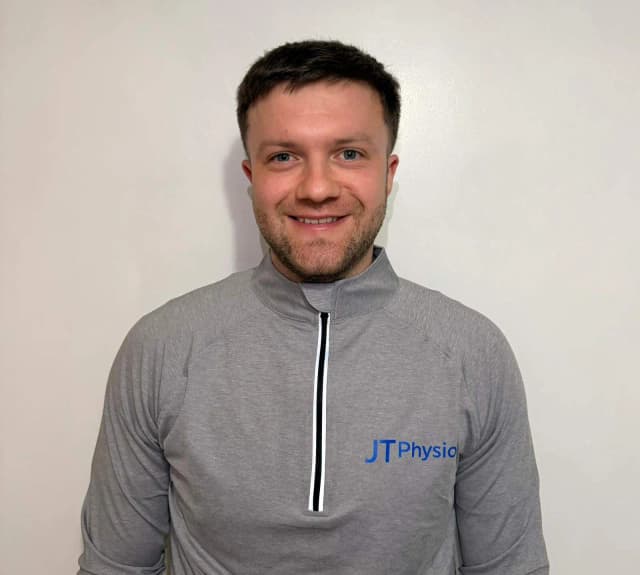
About the Author: Jordan Templeton, MSc Physiotherapy
Jordan Templeton is a highly experienced football physiotherapist with over 7 years of professional experience in elite professional football. As a qualified MSc Physiotherapist, Jordan specialises in football-specific injury assessment, rehabilitation, and return-to-play protocols.
Jordan's professional background includes 4 years coaching at Kilmarnock FC Academy, followed by physiotherapy roles at Kilmarnock FC and Hearts of Midlothian FC (supporting academy, B team, and first team). He currently works full-time as a physiotherapist for Kilmarnock FC, bringing hands-on elite-level experience to every patient.
He holds an MSc in Physiotherapy (Pre-Registration) from Glasgow Caledonian University and graduated with First Class Honours in Sport and Exercise Science from the University of the West of Scotland. Jordan brings expert care, evidence-led rehabilitation, and personalised treatment plans built on practical assessment and real-world football knowledge to his Kilmarnock and Ayrshire physiotherapy clinic.